Scope
UX Design, UI Design
Team / Individual
Coc Coc Members
Domain
Techology, Internet Services
Overview
The onboarding experience is often a user’s very first interaction with a product — a moment that can either spark curiosity or lose attention in just a few seconds.
For Coc Coc Browser, many users tended to skip these introduction screens, overlooking the very features that make the browser unique.
This case study explores how we reimagined the onboarding flow to deliver a more meaningful first impression. By combining storytelling, logical flow, and subtle engagement cues, our goal was to help users not only understand Coc Coc’s standout features — but remember them.
Problem statement
Users often tend to skip the initial onboarding screens — especially those introducing Coc Coc’s features — no matter how visually stunning they might be. What’s more, these screens usually present scattered information, rather than focusing on the core features that truly define the Coc Coc browser.
Objectives
We wanted to deliver clearer, more meaningful information about Coc Coc’s standout features — while addressing the challenge of users skipping onboarding, just as they often do with other apps.
Empathy
We began by observing how real users interacted with Coc Coc's onboarding screens. Most skipped them entirely within seconds — either by tapping “Skip” or simply ignoring the content. Through user interviews and behavioral analysis, we discovered that users often expected onboarding to be irrelevant or too long, which made them lose interest before even reading the first line.
Define
From these insights, we reframed our problem:
Users skip onboarding because it doesn’t feel worth their attention.
The content is scattered and doesn’t clearly highlight what makes Coc Coc unique. We needed a new approach — one that communicates value, not just features.
Ideate
We brainstormed ideas to turn the onboarding flow into a short, meaningful story. Each screen would focus on a single key feature, connected through a logical narrative. We explored the use of micro-interactions, short animations, and visual metaphors to make each step feel alive and purposeful.
Prototype
We built several versions of the new onboarding flow — from low-fidelity wireframes to interactive prototypes. Each iteration tested a slightly different storytelling angle: one focused on functionality, another on emotional connection, and one that balanced both.
Test
We ran usability tests with real users to measure engagement and comprehension. The results were promising — users stayed longer on each screen, recalled more features, and described the experience as “simple but memorable.” These insights guided our refinements toward the final design solution.
Solution
After defining the key questions, we began exploring solutions for each problem.
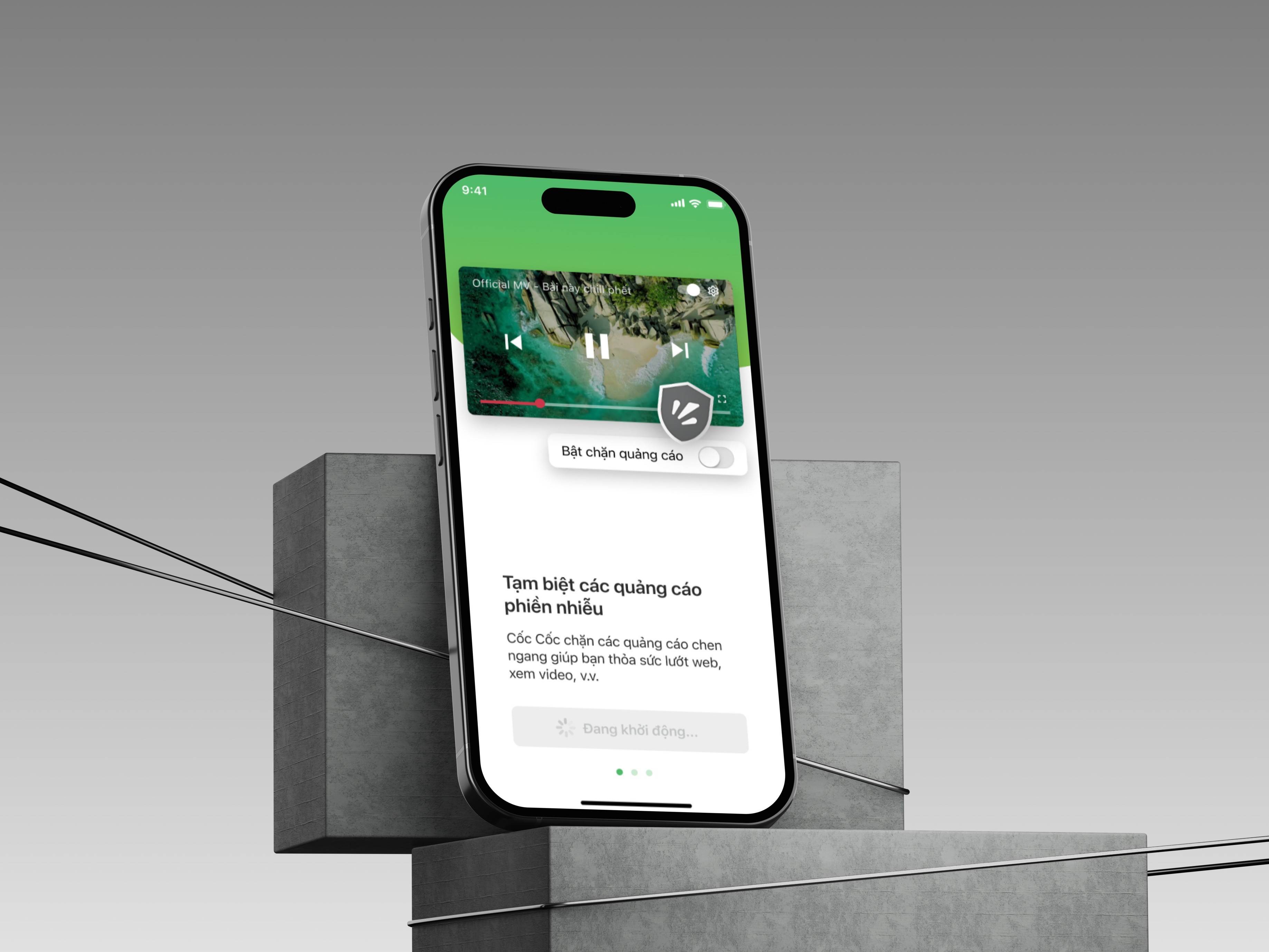
How might we help users remember the features and know where to find them later? To address this, we designed an onboarding flow that follows a logical order and tells a short, memorable story. The most important features appear first, each connecting smoothly to the next, creating a seamless journey rather than a list of disjointed screens.
How might we keep users engaged long enough to read the information, given their tendency to skip? We explored ways to subtly hold their attention without making the experience feel forced. For instance, we considered adding short, looping animations or lightweight videos that visually highlight the features. Alternatively, a simple yet engaging “loading” moment could naturally encourage users to stay just long enough to take in what matters.